Equipment Systems & Historical Material Reference — Source-Cited
St Francis energy facility Campbell Missouri oil gas refinery processing plant Associated Electric Cooperative Inc [100%] Central Electric Power Cooperative Inc; KAMO Electric Cooperative Inc; M&A Electric Power Cooperative; N.W. Electric Power Cooperative Inc; Northeast Missouri Electric Power Cooperative Inc; Sho-Me Power Electric Cooperative operating since 1999 253 MW asbestos Central Electric Power Cooperative Inc; KAMO Electric Cooperative Inc; M&A Electric Power Cooperative; N.W. Electric Power Cooperative Inc; Northeast Missouri Electric Power Cooperative Inc; Sho-Me Power Electric Cooperative Associated Electric Cooperative Inc [100%]
Source level:1A Public equipment registry1B Public agency record3 Trust payment matrix4 Industry-system association
This crosswalk identifies the major equipment systems and building material categories historically associated with facilities of this type and era. Systems are classified by evidence level. Level 4 entries are industry-system associations — standard equipment and material configurations for facilities of this type — and are labeled accordingly. No Level 4 entry constitutes a finding that any specific product was present at this facility.
Product citations: Trust citations identify the qualifying product for trust claim purposes. A trust citation does not establish that the product was present at this specific facility — it identifies the qualifying product and the applicable trust fund.
Legal note: A crosswalk entry does not establish that any individual worker encountered any specific product. Individual exposure depends on work dates, job classification, duties, proximity to disturbance activities, and other worker-specific facts.
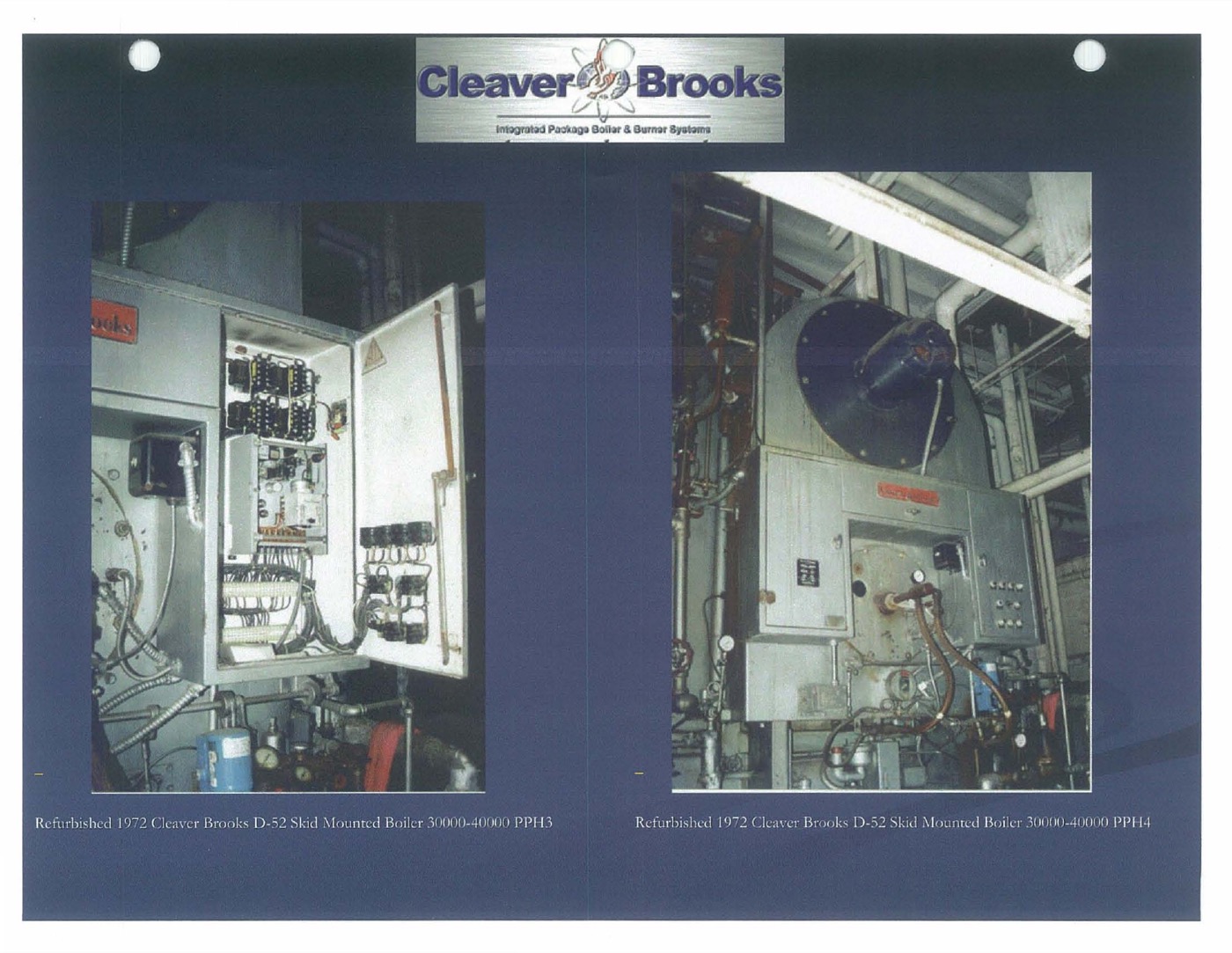
Industrial boilers catalog — O'Brien Law Firm PID reference library.
Steam Boilers and Pressure Vessels
High-pressure steam generation, 1940s–1980s construction era
4Industry-system association — standard power plant configuration
High-pressure steam boilers generating the steam supply for turbine-generator units. Boiler drums, headers, downcomers, superheaters, and connected steam distribution lines required extensive thermal insulation rated for sustained operation above 900°F.
Why asbestos was specified: Asbestos calcium silicate and asbestos block insulation were the only commercially available materials rated for the full operating temperature range of utility-scale steam boilers through the early 1970s. Boiler erection specifications of this era called for asbestos pipe covering, block insulation, and insulating cement as standard-specified materials.
Material categories historically associated with this system type & era
Preformed asbestos pipe insulation and block — period catalog. O'Brien Law Firm PID reference library.
Source / Citation
Pittsburgh Corning 524(g) Trust TDP — Unibestos amosite pipe and block insulation identified as Scheduled Value Product for pipe-insulation and block-insulation exposure categories. Amosite content made Unibestos the specification of choice for temperatures above 300°F in power plant boiler rooms through the early 1970s.
Preformed asbestos pipe insulation and block — period catalog. O'Brien Law Firm PID reference library.
Source / Citation
Owens Corning Fibreboard Asbestos PI Trust TDP — Kaylo calcium silicate insulation recognized as qualifying product for high-temperature pipe and equipment insulation applications. Kaylo manufactured by Owens-Illinois 1943–1958; acquired by Owens Corning 1958; asbestos content eliminated circa 1972.
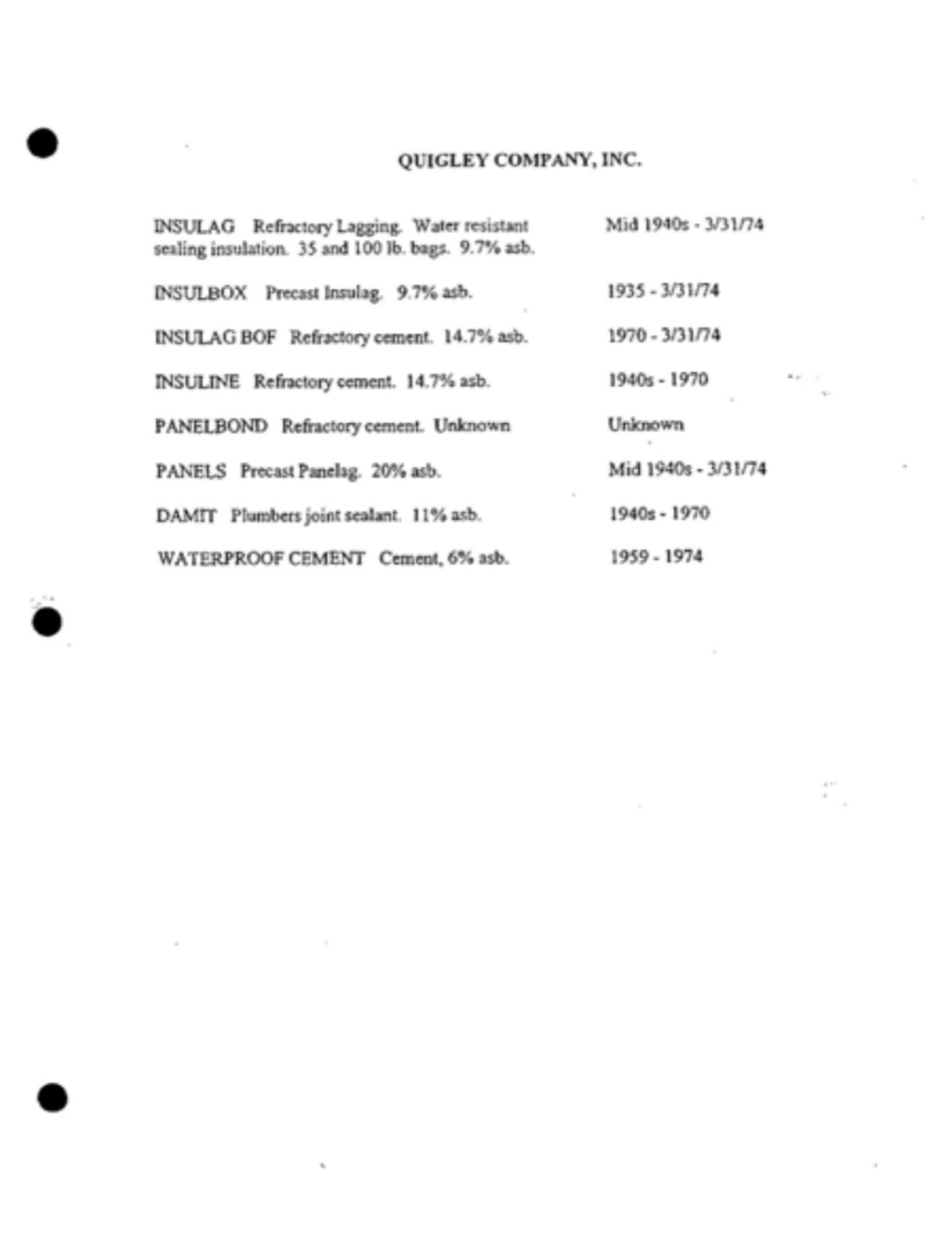
Quigley insulating cements were standard specification for boiler fitting covers, mudded joints, and irregular surface finishing on drum boiler types through the 1970s.
Pipe insulation and block catalog — preformed asbestos pipe sections. O'Brien Law Firm PID reference library.
Steam Distribution Piping
Throughout facility, original construction era
4Industry-system association — standard utility pipe insulation specification
Extensive network of high-pressure steam headers, feedwater lines, reheat lines, and auxiliary steam distribution piping. Steam piping represented the highest cumulative-exposure pathway for insulators and pipefitters working construction, maintenance outages, and turnaround cycles.
Why asbestos was specified: Steam distribution piping at facilities of this capacity operated across a temperature range from approximately 250°F to over 1,000°F. Asbestos pipe covering was the only material specified for the full temperature range across all piping systems in a single consistent product line through the early 1970s.
Material categories historically associated with this system type & era
Preformed asbestos pipe covering — all high-temperature steam and condensate lines
Asbestos finishing cement — outdoor weatherproofing over pipe covering
Compressed sheet gaskets — all flanged steam connections
Spiral-wound gaskets — high-pressure main steam flanges
Braided valve packing — all steam valves and control valves
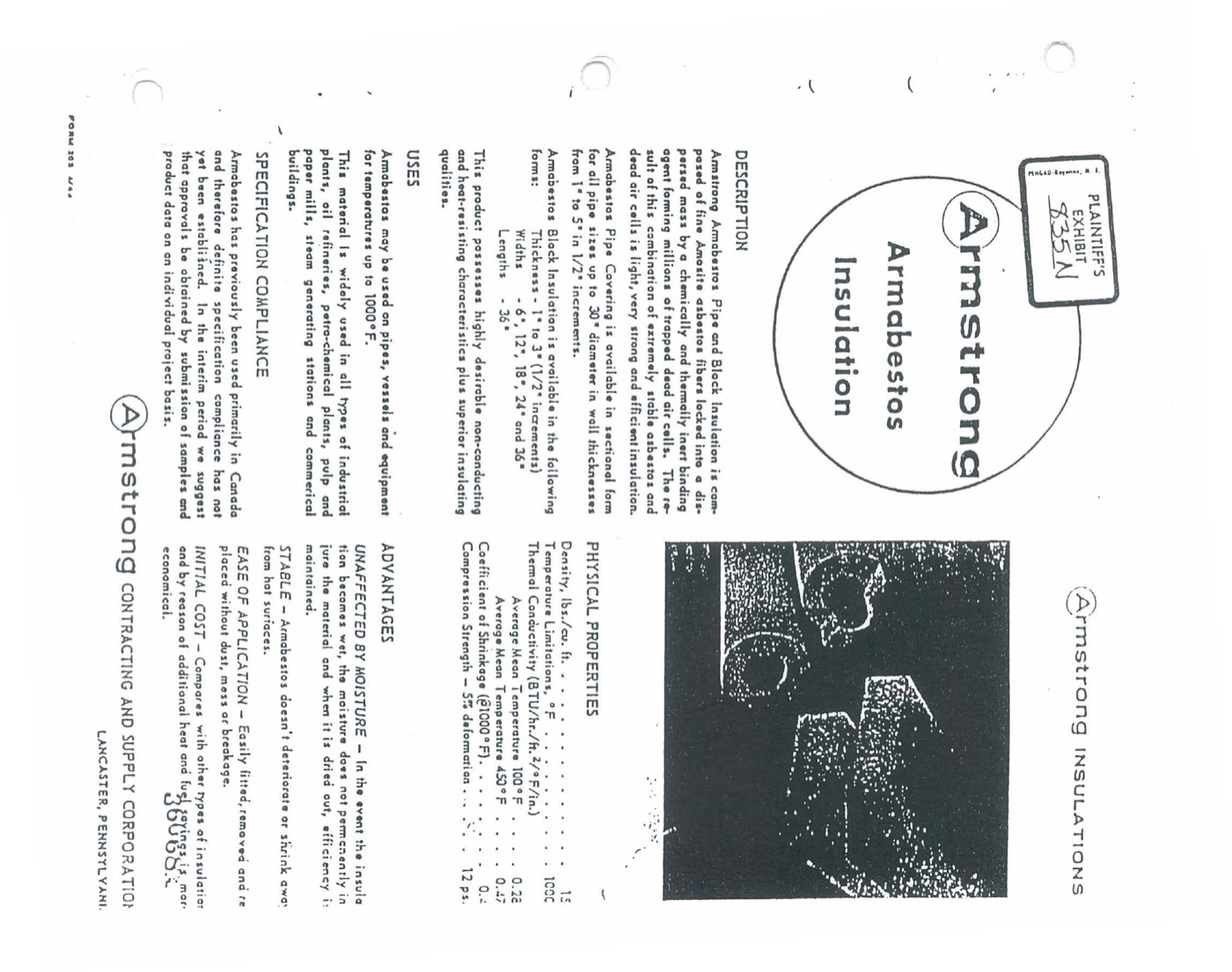
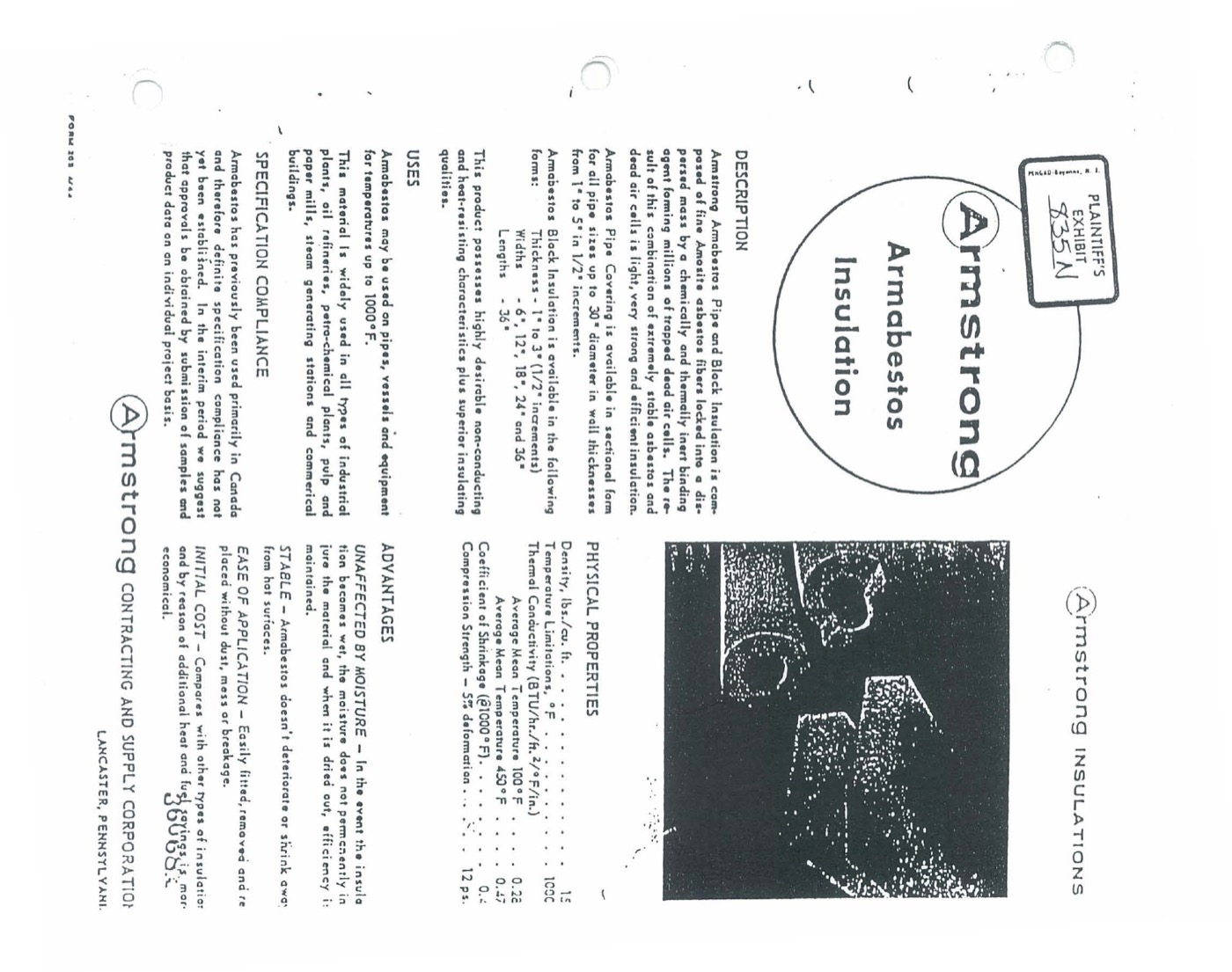
Armstrong Armabestos Insulation — original catalog. O'Brien Law Firm PID reference library.
Source / Citation
Armstrong World Industries Asbestos PI Trust TDP — Armabestos asbestos pipe covering recognized as qualifying Armstrong product for pipe insulation exposure category. Armabestos was Armstrong's primary asbestos-containing pipe covering line for medium- and high-temperature steam and hot water systems.
Industrial gaskets and packing — compressed sheet and braided asbestos catalog. O'Brien Law Firm PID reference library.
Source / Citation
Garrison Asbestos Settlement Trust TDP — Garlock compressed sheet gasket material including Style 900 identified as qualifying product for steam flange and valve-gasket exposure categories. Garlock Style 900 was standard-issued pipefitter sheet gasket material for steam flanges across utility plant applications.
Garlock Style 900 compressed sheet was cut to size on-site; cutting and handling released asbestos fibers.
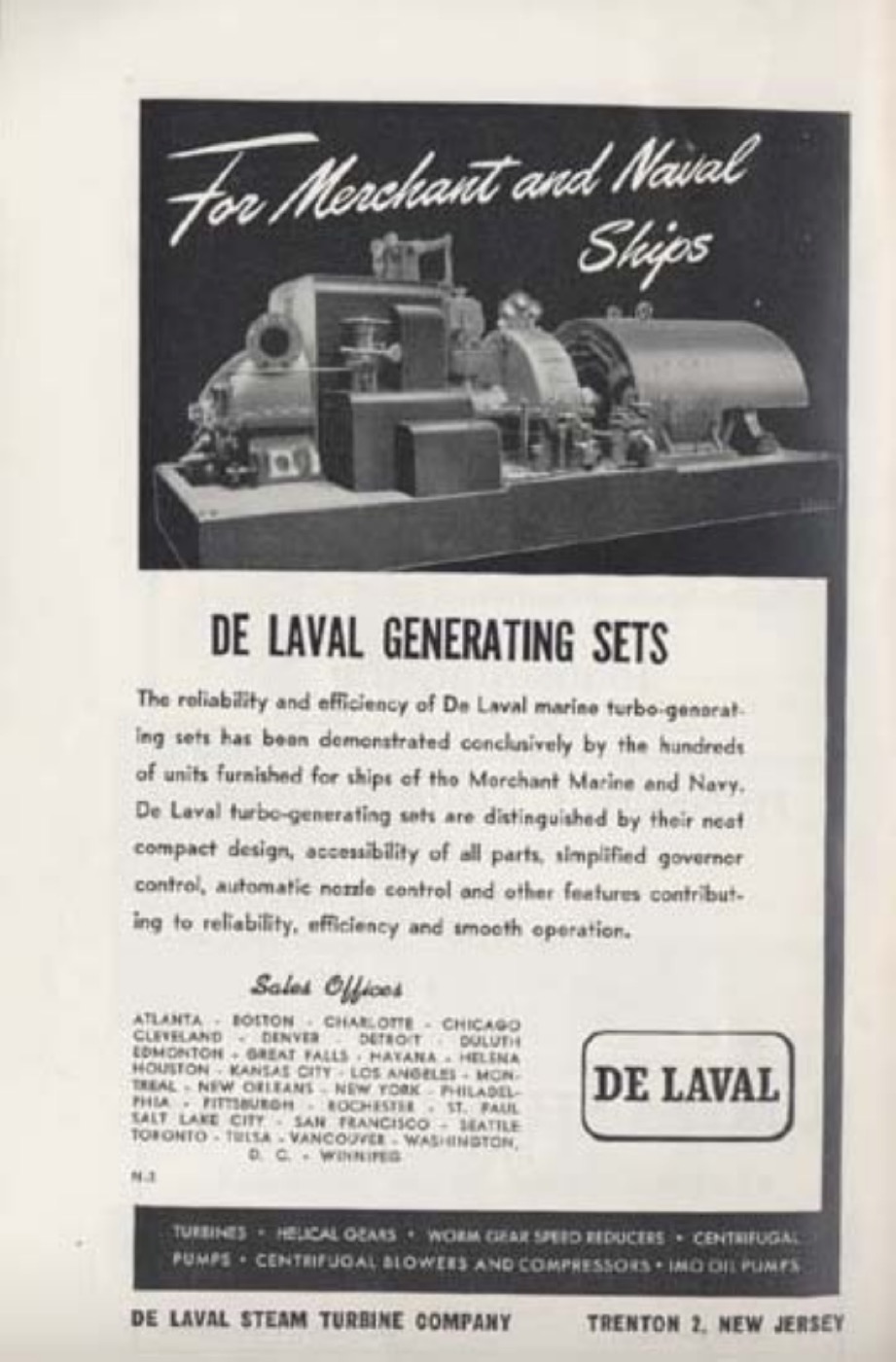
Steam turbines catalog — O'Brien Law Firm PID reference library.
Turbine Insulation, Gaskets, and Valve Packing
Turbine installations, original construction era through 1980s outage cycles
4Industry-system association — standard turbine maintenance specification
Steam turbine casings, valve assemblies, steam bypass systems, gland seal systems, and packing glands. Turbine outages — typically every 3–5 years — required insulators and pipefitters to remove, handle, and replace asbestos-containing insulation and sealing materials.
Why asbestos was specified: Turbines operated at main steam inlet temperatures approaching 1,000°F and pressures over 2,400 psig. Turbine casing insulation, valve body insulation, and adjacent steam piping were insulated with asbestos block and preformed insulation from installation through the 1980s. Valve stem packing, turbine gaskets, and mechanical seals used asbestos compositions specified in manufacturer installation and maintenance documentation.
Material categories historically associated with this system type & era
Turbine casing block insulation — asbestos block and preformed sections
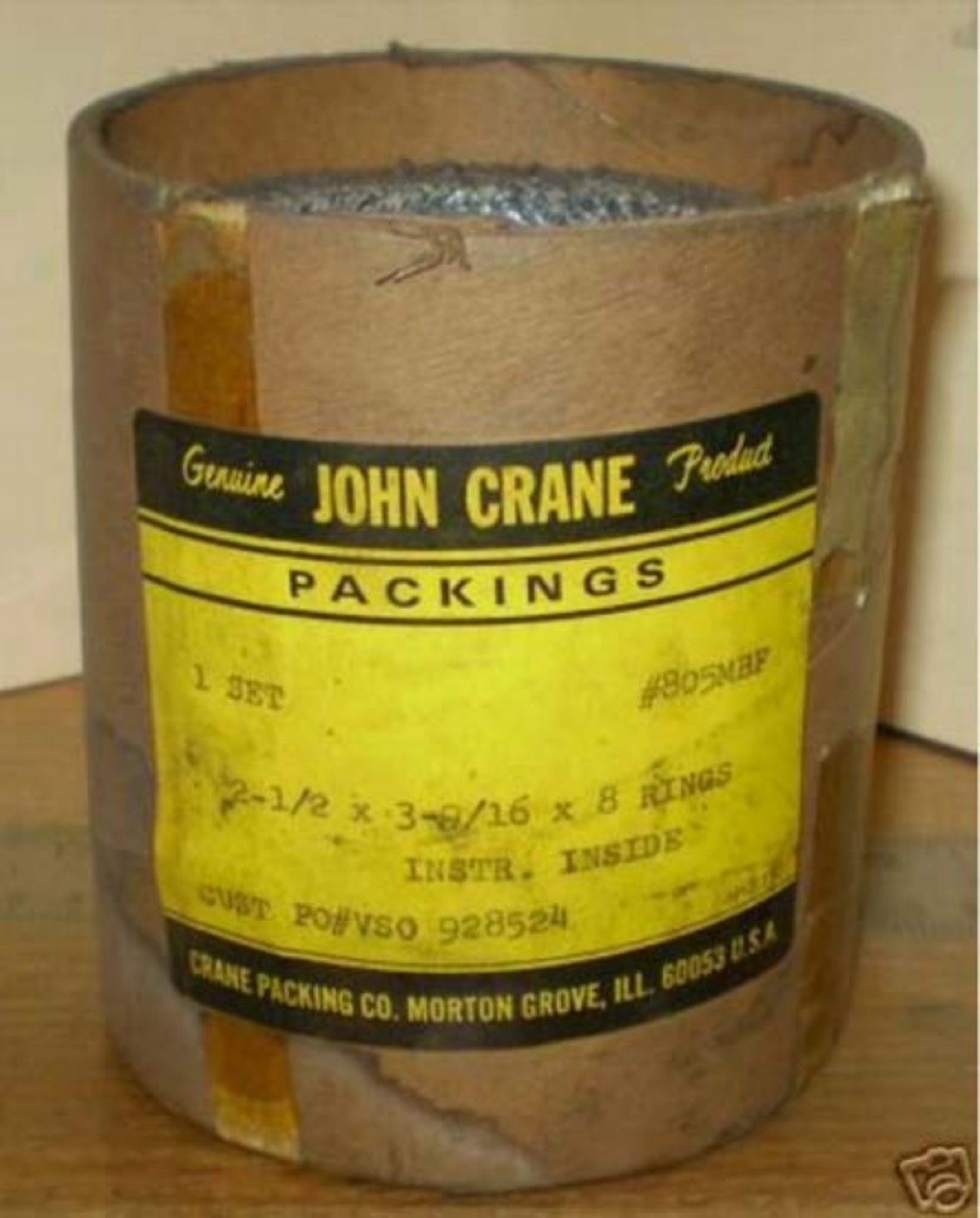
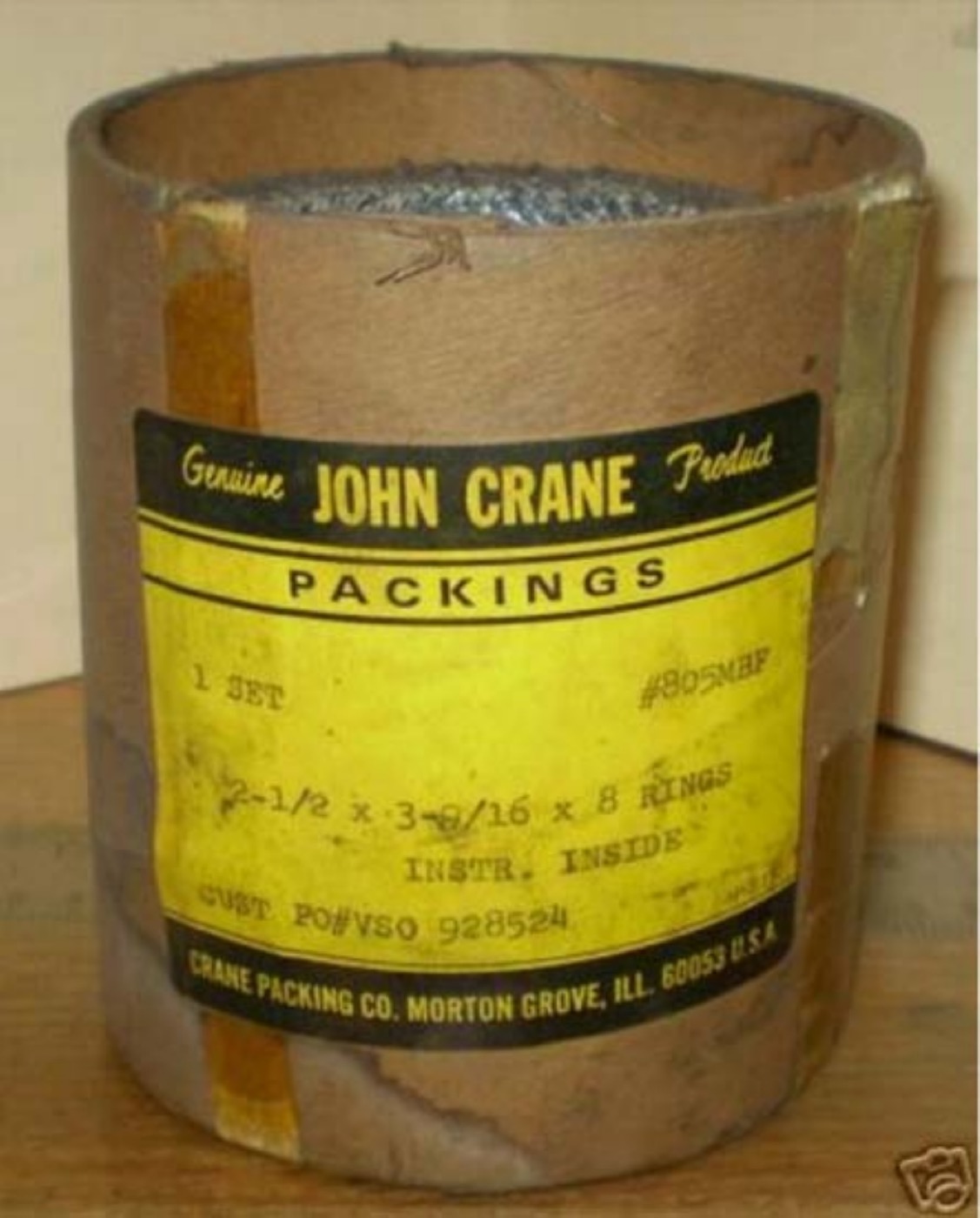
John Crane Packings — original product box, Crane Packing Co., Morton Grove, IL. O'Brien Law Firm PID reference library.
Source / Citation
John Crane braided asbestos packing (Type 1 and related grades) is documented as standard specification for turbine-associated pump and valve packing at power generating facilities in utility maintenance records, product specifications, and asbestos litigation records from this era.
No Trust — Civil Litigation
John Crane Inc. has not filed for bankruptcy. Claims are pursued through civil litigation. John Crane is among the most frequently named defendants in asbestos litigation.
No trust fund — John Crane is an active civil litigation defendant.
Flexitallic Spiral-Wound Gaskets
4
⚖ No bankruptcy trust — Flexitallic is an active civil litigation defendantTurbine and steam-flange spiral-wound gaskets
Gaskets and packing catalog — spiral-wound and compressed sheet asbestos. O'Brien Law Firm PID reference library.
Source / Citation
Flexitallic spiral-wound gaskets were the dominant specification for high-pressure steam turbine flange connections at U.S. utility plants from the 1950s through the 1980s. Flexitallic asbestos-filled spiral-wound gaskets are documented in utility maintenance specifications and equipment records from this era.
No Trust — Civil Litigation
Flexitallic Group has not filed for bankruptcy. Claims are pursued through civil litigation.
No trust fund — active civil litigation defendant.
Construction phase, late 1950s through early 1970s
4Industry-system association — standard large industrial construction practice
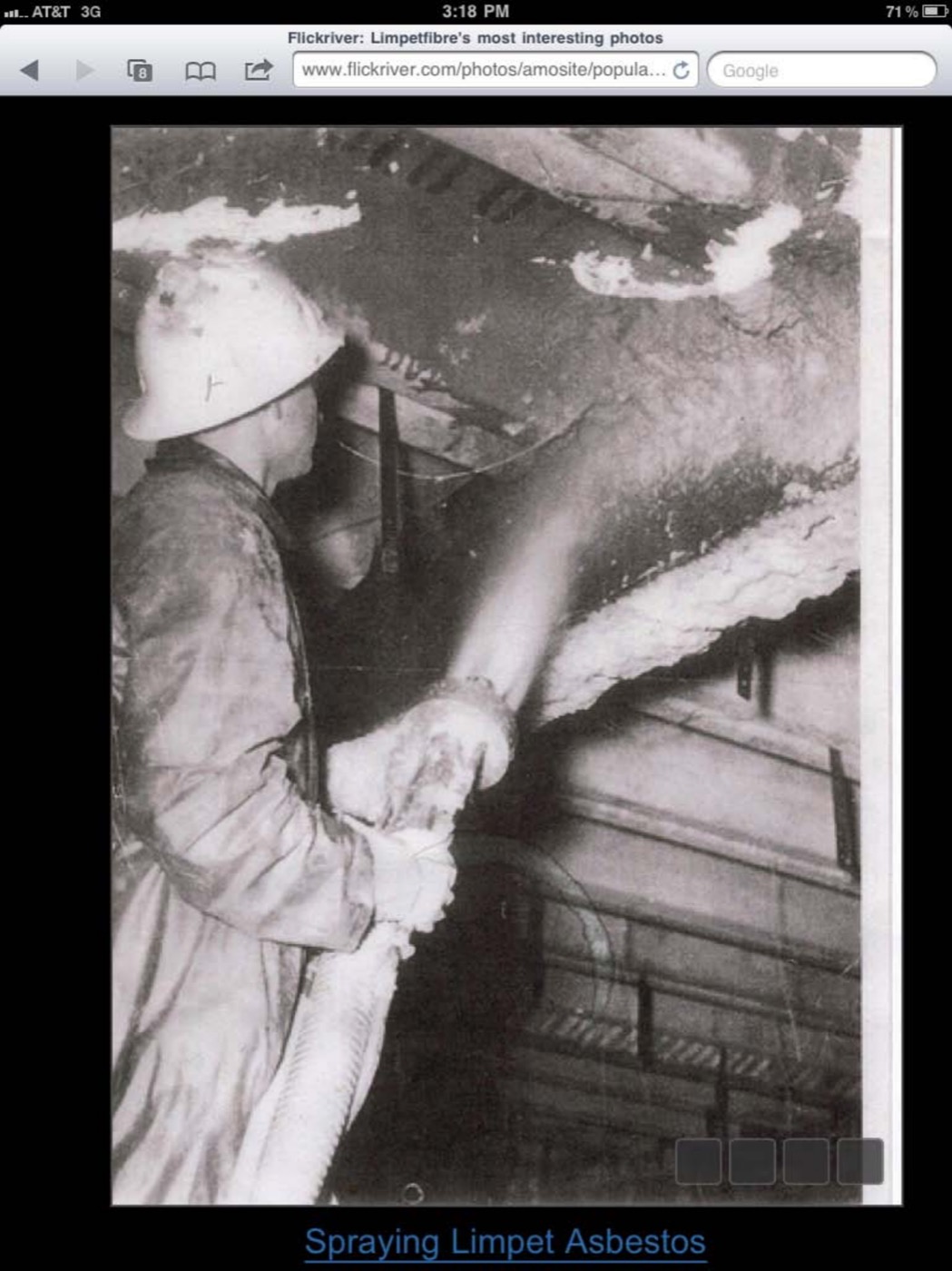
Spray-applied fireproofing applied to structural steel during original plant construction. Exposure occurred primarily during construction application, subsequent renovation, or disturbance during maintenance. Level 4 entry — industry-system association.
Why asbestos was specified: Large industrial construction projects of the late 1960s through early 1970s routinely specified spray-applied asbestos fireproofing for structural steel. Asbestos content in spray-applied fireproofing was phased out beginning in 1973 following EPA and OSHA regulatory action.
Material categories historically associated with this system type & era
Spray-applied asbestos fireproofing — structural steel columns and beams
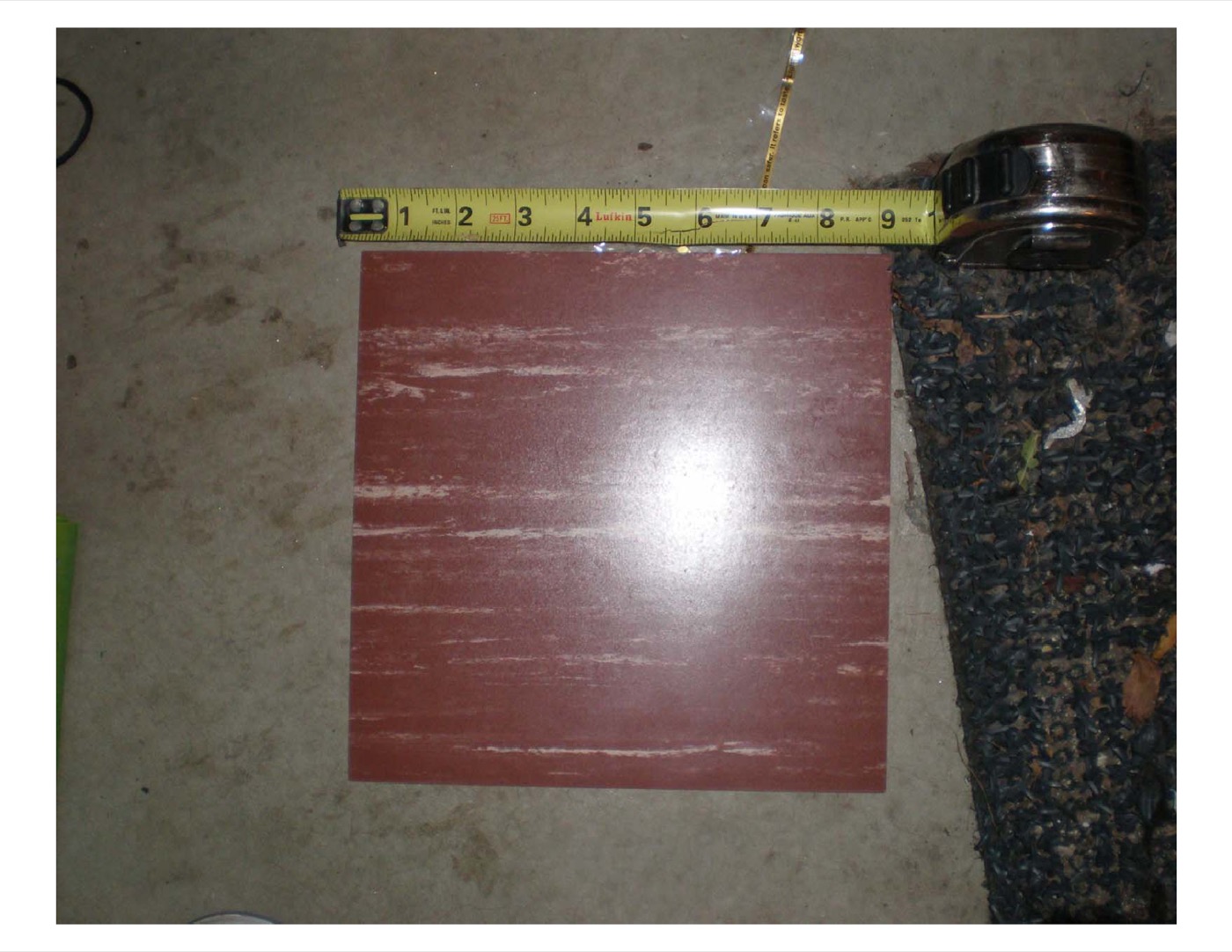
Floor tile and mastic — control rooms, office areas, relay rooms
Ceiling tile — administrative and control areas
Asbestos transite board — fire barriers, cable trays, electrical enclosures
Representative products historically specified for this equipment type
WRG Asbestos PI Trust TDP — W.R. Grace Monokote MK-3 and related spray-applied fireproofing products identified as qualifying Grace products for construction-trade exposure categories. Monokote was the dominant spray-applied fireproofing product in large industrial and utility construction from the mid-1960s until Grace eliminated asbestos content in 1973.
Vinyl asbestos floor tile — period catalog and installation guide. O'Brien Law Firm PID reference library.
Source / Citation
Armstrong World Industries Asbestos PI Trust TDP — Armstrong vinyl asbestos floor tile and floor tile adhesive identified as qualifying Armstrong products for floor-tile exposure categories.